
Demystifying the surgical dental implant placement process, detailing clinical diagnostics, anesthesia options, recovery timelines, and long-term care.
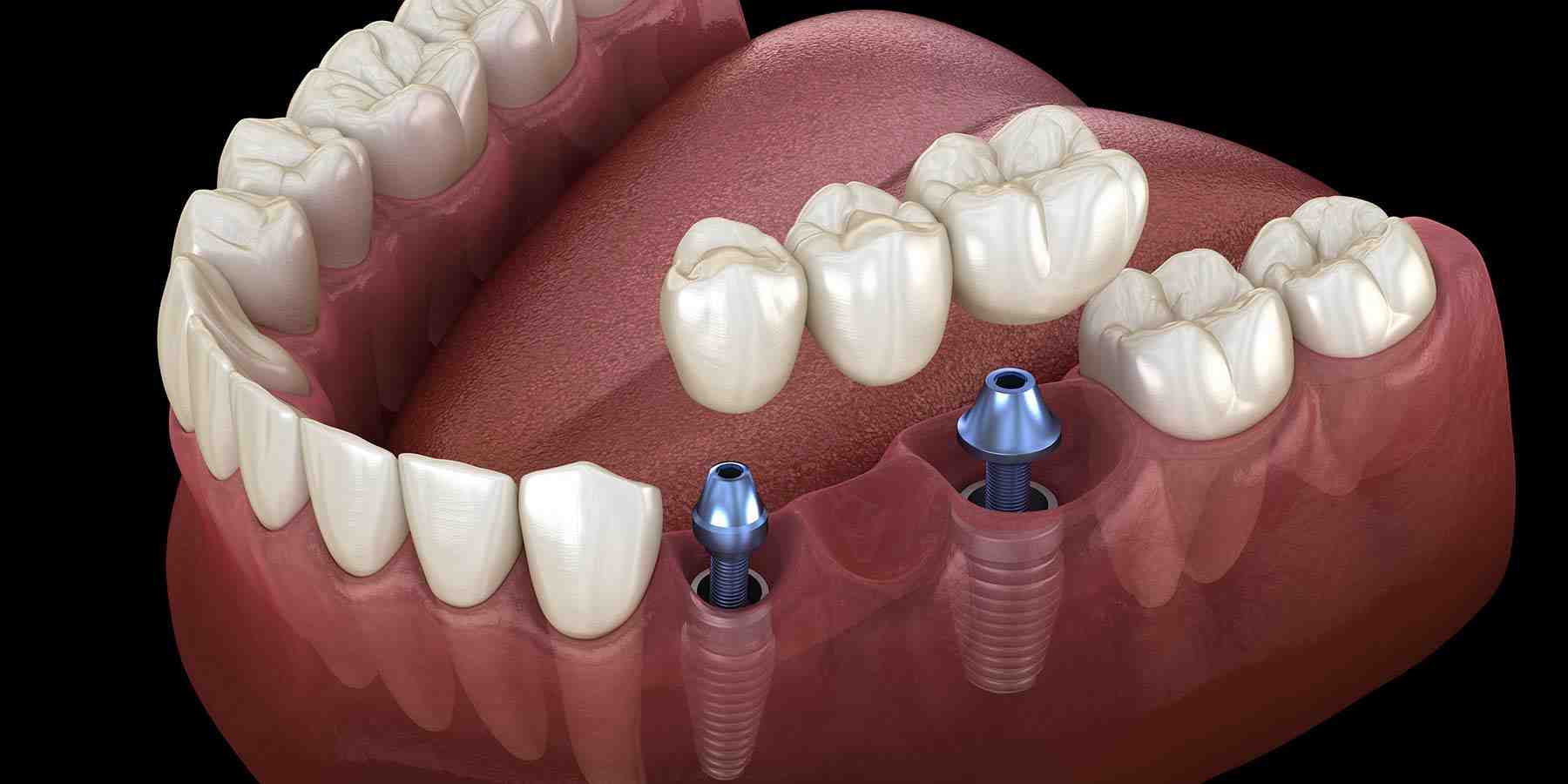
Dental implant surgery is a precise clinical procedure where a biocompatible titanium post is surgically placed into the jawbone to serve as a permanent artificial tooth root. This advanced treatment boasts a global success rate of 98.2%, making it one of the most reliable procedures in restorative dentistry. When patients lose teeth due to decay or injury, their underlying jawbone begins to resorb. By choosing dental implants, you prevent bone loss and fully restore your smile.
Understanding the details of this outpatient procedure helps alleviate patient anxiety and prepares you for a smooth recovery. During your consultation, we evaluate your oral health and plan the exact placement path. This ensures minimal discomfort and maximizes the longevity of your new prosthetic teeth.
The diagnostic and planning phase of implant therapy utilizes advanced three-dimensional imaging to map the patient's dental anatomy before surgical intervention. This preparatory stage ensures that the placement is safe, predictable, and tailored to your unique jaw structure. During this stage, your implantologist evaluates your oral health and identifies any potential risks. Through comprehensive planning, we ensure high precision and significantly reduce active surgical time.
Proper planning also minimizes the risk of nerve damage and sinus complications. We analyze the bone density to determine if a bone graft is necessary before placing the implant. Every step is tailored to ensure optimal stability and long-term success.
Cone Beam Computed Tomography (CBCT) scans produce high-resolution, three-dimensional digital maps of your jawbone to reveal precise bone density and critical anatomical structures. Unlike standard flat dental X-rays, a 3D CBCT scan shows the exact height, width, and depth of the available bone. It highlights the location of nerve pathways and sinus cavities, allowing us to plan the exact entry angle. This diagnostic step is crucial for avoiding complications and ensuring the implant is anchored in dense bone.
Computer-aided design (CAD) software allows implantologists to virtually simulate the entire surgical path and optimize implant placement before the procedure begins. Using the 3D data from the CBCT scan, we create a digital model of your jaw. This model is used to fabricate a custom surgical guide, which fits over your gums during the procedure. The guide dictates the exact position and angle for the drill, eliminating manual guesswork.
Comfort and anesthesia options during dental implant placement ensure a completely pain-free surgical experience for the patient. Modern dental clinics utilize sophisticated pain management protocols to minimize patient discomfort and anxiety. Most patients report that the procedure feels far less intense than a standard tooth extraction. By customizing the sedation plan, we accommodate both mild nervousness and severe dental phobias.
Your comfort is our top priority throughout the entire surgical process. We monitor your vital signs continuously if advanced sedation is selected. Our team is trained to provide a calm and reassuring environment for all patients.
Intravenous (IV) sedation and highly localized anesthetics are administered to block all pain signals and keep the patient relaxed throughout the surgical procedure. Local anesthesia completely numbs the immediate treatment zone, ensuring you feel no sharp sensations or discomfort. For patients undergoing a full arch restoration or experiencing high anxiety, IV sedation induces a state of deep relaxation. You remain conscious and able to respond to instructions, but you will feel detached and remember very little of the process.
The surgical phase and subsequent bone integration involve the precise placement of the titanium implant followed by a natural biological fusing period. This stage transforms the digital plan into a physical reality. The surgeon performs the procedure under sterile conditions using specialized, low-speed drills. Careful cooling with sterile saline prevents heat damage to the bone cells.
The implant placement process consists of making a minor incision in the gum tissue, preparing a customized channel in the bone, and gently inserting the titanium post. The clinician carefully lifts a small flap of gum tissue to access the underlying bone structure. Using the custom surgical guide, the pilot channel is created step-by-step. The high-grade biocompatible titanium post is then threaded into place with a controlled torque driver.
The healing and osseointegration period is a critical biological phase lasting 3 to 6 months during which the jawbone cells fuse directly to the titanium implant surface. Osseointegration is the microscopic process where live bone cells grow into the threads of the titanium post. This fusion creates a rigid, permanent bond that can withstand heavy biting forces. During these 3 to 6 months of healing, you will wear a temporary aesthetic restoration so you are never without teeth.
Prosthetic restoration represents the final stage of implant treatment, where a custom connector and a highly durable artificial crown are attached to the implant. Once osseointegration is clinically verified, the implant is ready to support its functional load. This phase transitions you from a healing surgical site to a functional, beautiful new tooth. The restoration is designed to blend seamlessly with your adjacent natural teeth.
Long-term durability and care of dental implants rely on meticulous oral hygiene to ensure the restoration lasts for 15 to 25 years or even a lifetime. A custom zirconia or porcelain crown generally lasts 15 to 25 years before requiring standard wear-and-tear maintenance. Unlike natural teeth, dental implants cannot develop cavities, but they are still susceptible to gum inflammation. Regular brushing, flossing, and professional cleanings are essential to prevent peri-implantitis.
Minimizing tissue trauma during the implant procedure is a primary goal that preserves the natural bone and gum architecture. Unlike traditional dental bridges that require aggressive modification of neighboring teeth, implant placement preserves adjacent teeth entirely and shaves less than 0.3mm of enamel to maintain natural dental structure. This conservative approach means that adjacent teeth are never compromised or weakened. By utilizing laser dentistry where appropriate, we minimize bleeding and speed up tissue recovery.
For patients requiring extensive treatment, a full mouth rehabilitation can restore complete oral function. A custom smile makeover can also be planned to integrate implants with veneers or crowns. These combined therapies allow patients to achieve a fully functional and aesthetic smile. Every treatment plan is backed by Dr. Srinivas's extensive clinical expertise.
To discuss dental implant surgery with Dr. Srinivas, book a consultation at Maxface Dental Clinic, Bangalore.
The procedure is completely pain-free as it is performed under localized anesthesia or intravenous sedation. Most patients report feeling only mild pressure during the surgery and experience minimal discomfort afterwards. Any post-operative soreness can be easily managed with standard over-the-counter pain relievers.
The initial healing of the gum tissue takes about 7 to 10 days, while the underlying bone requires 3 to 6 months to fuse with the implant. During this osseointegration phase, patients can comfortably wear a temporary tooth restoration. Normal daily activities can usually be resumed within 24 to 48 hours after the procedure.
Custom implant crowns fabricated from porcelain or zirconia typically last between 15 to 25 years with proper oral care. The titanium implant post itself is designed to remain stable in the jawbone for a lifetime. Maintaining regular dental checkups and excellent hygiene prevents gum disease and ensures maximum durability.
Medically Reviewed By
MDS Prosthodontics, Fellow & Diplomate ICOI (USA) · Chief Implantologist · Last updated: May 2026
Compare dental implants, fixed bridges, and removable dentures on durability, chewing efficiency, and bone health to choose the best option for your smile.
Understanding the step-by-step process of combining dental implants, crowns, and bite corrections to restore a collapsed bite.
Dr. B. Srinivas Rao co-authored the landmark 1st Global Consensus for Clinical Guidelines on rehabilitating the completely toothless upper jaw — published in Clinical Oral Implants Research, 2026.